Coupling Selection
Start with the coupling family that matches the drive
Industrial drive systems should be screened by operating duty and shaft interface before a specific size is chosen. Start by comparing coupling construction, braking requirements and bore arrangement, then confirm the exact model against the published technical data.
The catalogue is organized by coupling family so customers can browse the current product range by construction and drive requirement instead of relying on a fixed model list.
Product Families
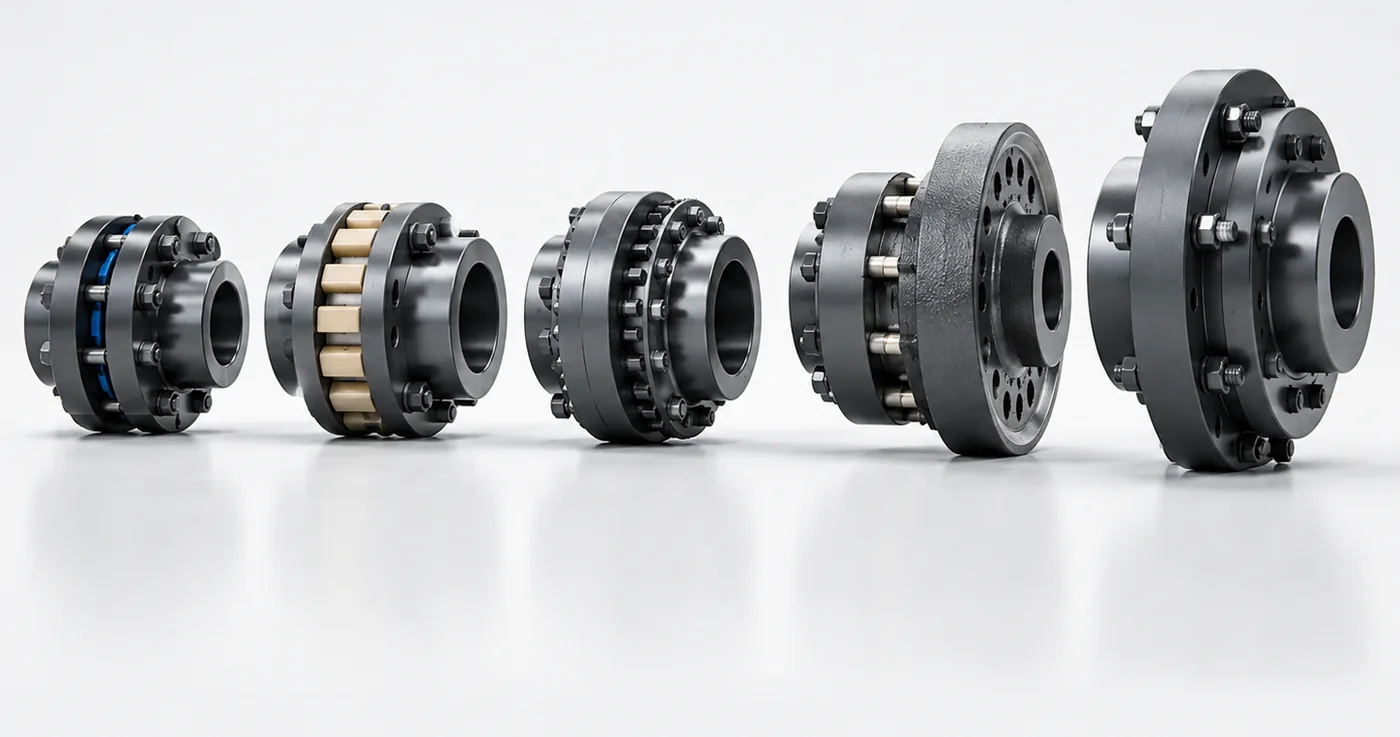
Browse the current coupling families
Compare the current product families by construction and drive requirement. Each family page shows the available product series first and keeps the technical selection information in clearly separated sections.
Product Family
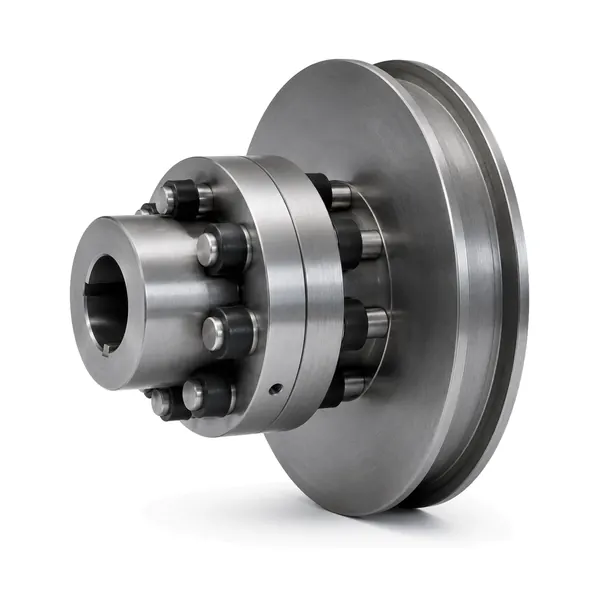
Brake Wheel Pin Couplings
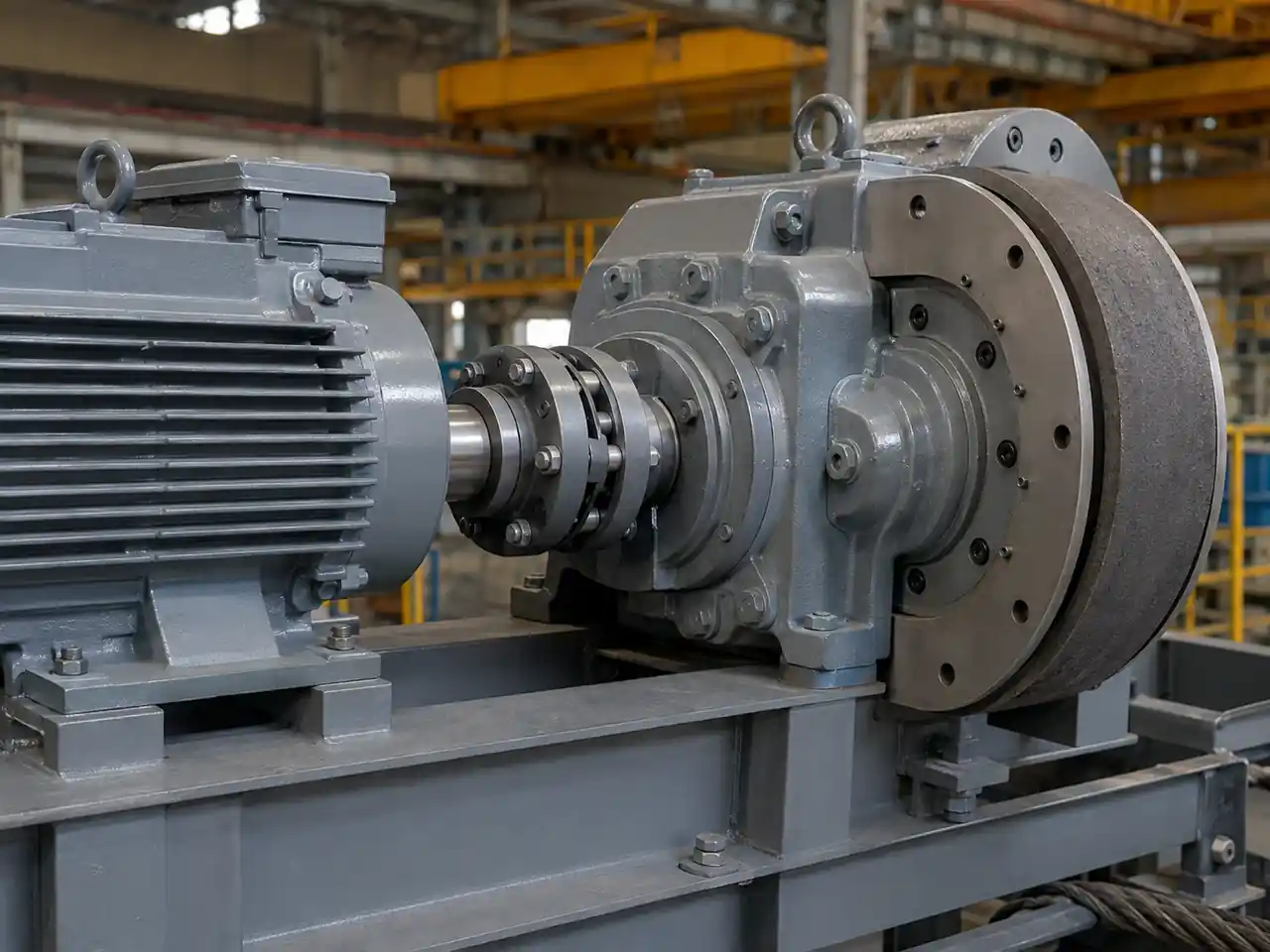
Brake-wheel pin couplings combine shaft coupling and coaxial brake-wheel functions for drive systems that require braking hardware.
Product Family
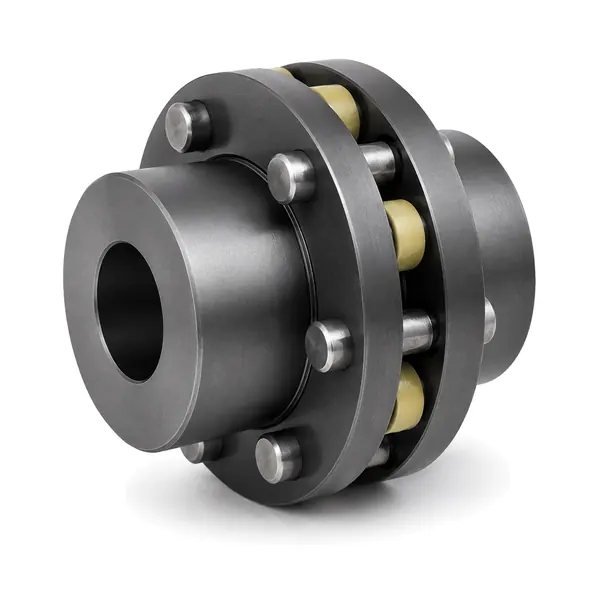
Elastic Pin Couplings
Elastic pin couplings use circumferential pins and elastic elements for flexible torque transmission in industrial shaft connections.
Product Family
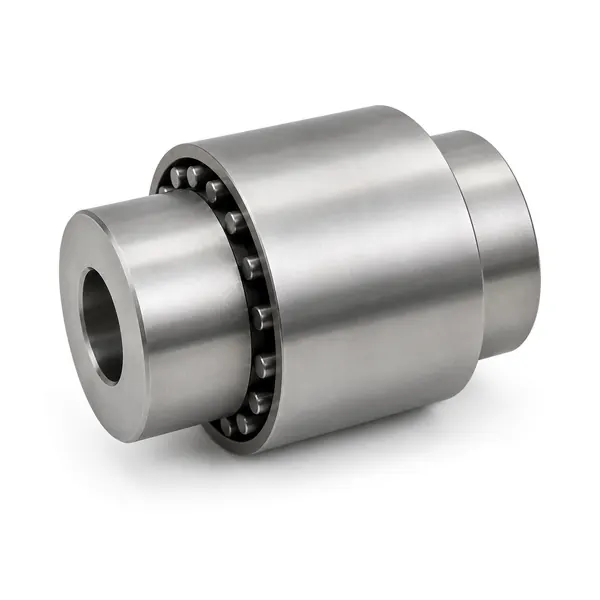
Elastic Pin Gear Couplings
Elastic pin gear couplings combine a pin-mediated torque path with gear-type construction and include cylindrical- and conical-bore-related configurations.
Product Family
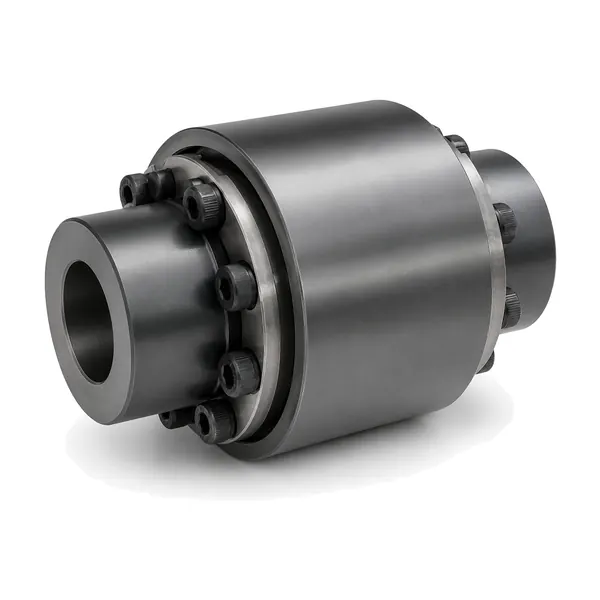
Elastic Sleeve Pin Couplings
Elastic sleeve pin couplings use compliant sleeves around the pins and are selected by torque, speed, shaft fit and service requirements.
Product Series
Current coupling series
Product cards use the main product image for fast visual identification. Open any series for specifications, structure, applications and selection guidance.
-
Elastic Sleeve Pin Couplings
GTC Elastic Sleeve Pin Coupling
GTC Elastic Sleeve Pin Coupling: 105-2000, published nominal torque 200 to 1,300,000 N·m, allowable speed 10,000 to 550 r/min across the published…
-
Elastic Pin Couplings
HC Elastic Pin Coupling
HC Elastic Pin Coupling: HC1-HC14, published nominal torque 250 to 180,000 N·m, allowable speed 8,500 to 950 r/min across the published size…
-
Brake Wheel Pin Couplings
HCL Elastic Pin Coupling with Brake Wheel
HCL Elastic Pin Coupling with Brake Wheel: HCL1-HCL15, published nominal torque 560 to 35,500 N·m, allowable speed 5,600 to 950 r/min across…
-
Elastic Sleeve Pin Couplings
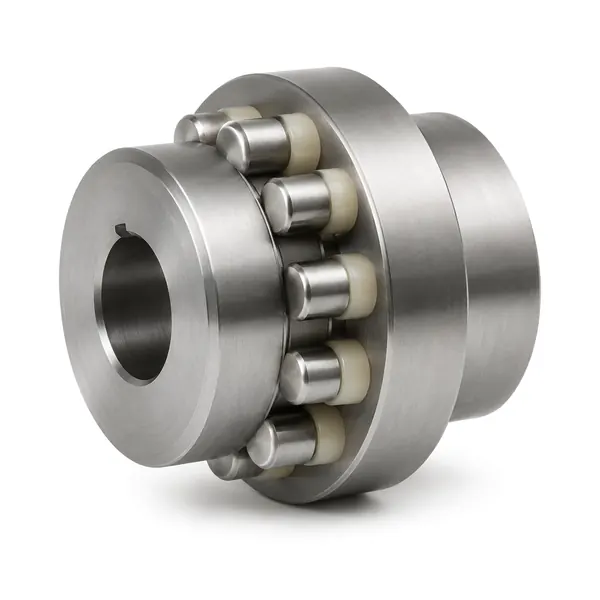
TC Elastic Sleeve Pin Coupling
TC Elastic Sleeve Pin Coupling: TC1-TC13, published nominal torque 16 to 22,400 N·m, allowable speed 8,800 to 1,150 r/min across the published…
-
Brake Wheel Pin Couplings
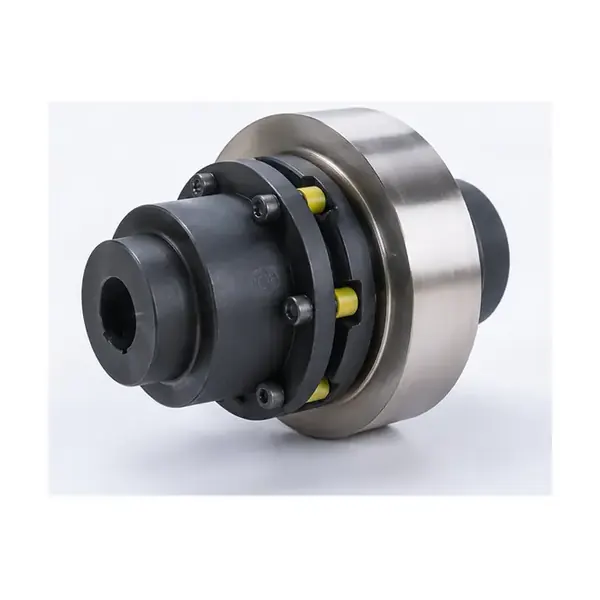
TCL Elastic Sleeve Pin Coupling with Brake Wheel
TCL Elastic Sleeve Pin Coupling with Brake Wheel: TCL1-TCL9, published nominal torque 224 to 22,400 N·m, allowable speed 3,800 to 1,000 r/min…
-
Elastic Pin Gear Couplings
ZC Elastic Pin Gear Coupling
ZC Elastic Pin Gear Coupling: ZC1-ZC23, published nominal torque 112 to 2,800,000 N·m, allowable speed 5,000 to 460 r/min across the published…
-
Elastic Pin Gear Couplings
ZC Elastic Pin Gear Coupling
ZC Elastic Pin Gear Coupling: ZC1-ZC23, published nominal torque 112 to 2,800,000 N·m, allowable speed 5,000 to 460 r/min across the published…
-
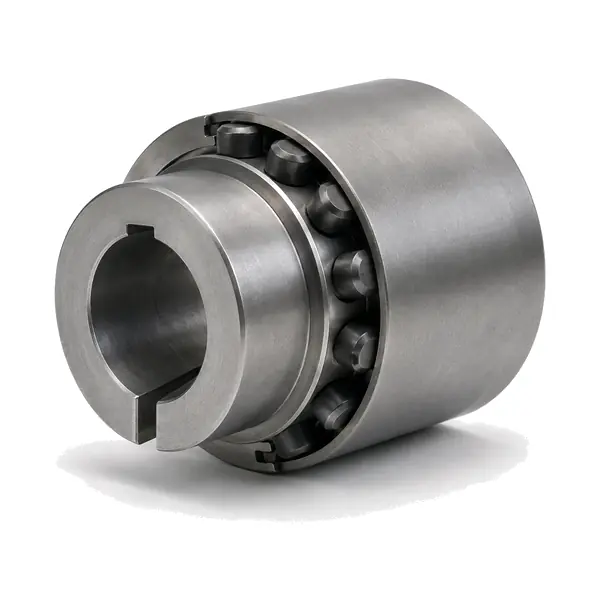
Elastic Pin Gear Couplings
ZCD Conical Bore Elastic Pin Gear Coupling
ZCD Conical Bore Elastic Pin Gear Coupling: ZCD1-ZCD13, published nominal torque 112 to 100,000 N·m, allowable speed 5,000 to 1,500 r/min across…
-
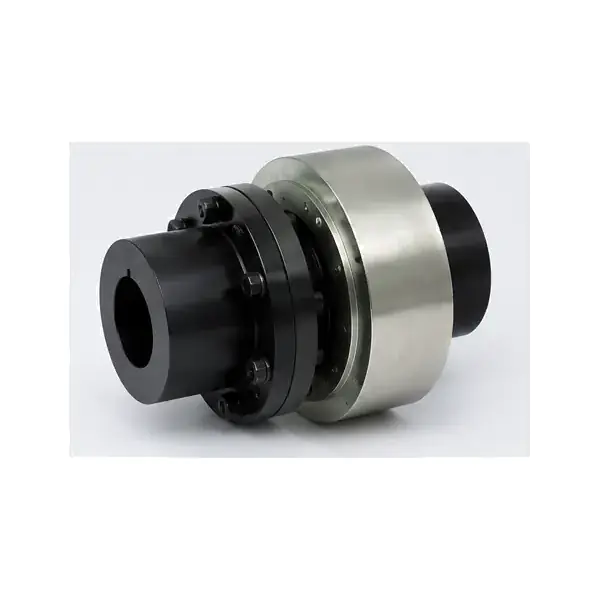
Brake Wheel Pin Couplings
ZCL Elastic Pin Gear Coupling with Brake Wheel
ZCL Elastic Pin Gear Coupling with Brake Wheel: ZCL1-ZCL9, published nominal torque 250 to 31,500 N·m, allowable speed 4,500 to 950 r/min…
Why Pin Couplings
Selection should connect the coupling to the machine, not only the model name
Defined torque path
Pin and elastic-element arrangements provide a mechanically defined connection between the driver and driven shaft.
Multiple interface options
Different product families can address standard, sleeve-pin, pin-gear, brake-wheel and bore-related requirements.
Selection by real drive data
Torque, speed, both shaft interfaces and the installation envelope should be reviewed together before a final size is chosen.
Service access matters
Inspection and maintenance access should be considered together with guards, nearby machine structure and elastic-component replacement.
Applications
Explore coupling selection by industrial application
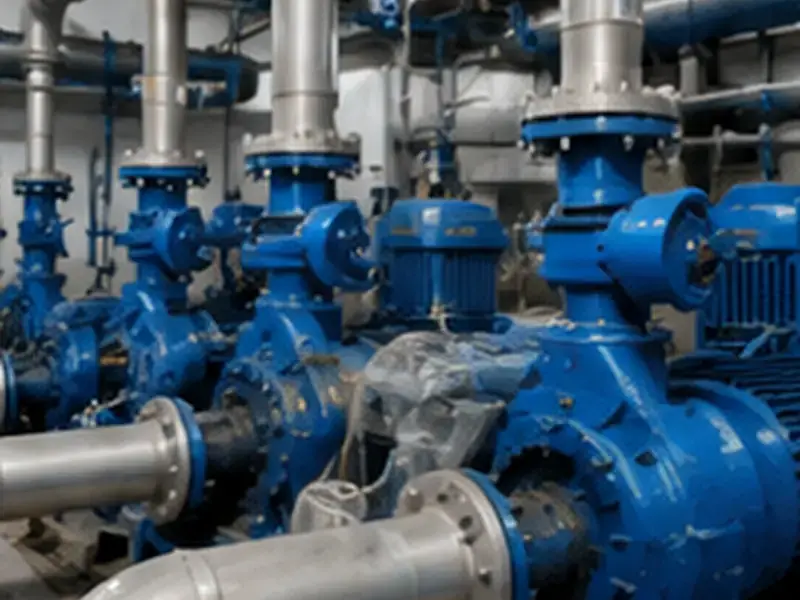
Application pages explain the operating conditions that normally affect family selection in conveyors, process equipment, cranes, pumps, fans and other rotating machinery.
Application
Pin Couplings for Cement and Aggregate Equipment
Pin Couplings for Cement and Aggregate Equipment should be approached as a drive-selection problem, not as a search for a generic industry label. The…
Application
Pin Couplings for Cranes and Hoisting Drives
Pin Couplings for Cranes and Hoisting Drives should be approached as a drive-selection problem, not as a search for a generic industry label. The…
Application
Pin Couplings for Industrial Conveyor Drives
Pin Couplings for Industrial Conveyor Drives should be approached as a drive-selection problem, not as a search for a generic industry label. The relevant…

Application
Pin Couplings for Mining and Bulk Material Handling
Pin Couplings for Mining and Bulk Material Handling should be approached as a drive-selection problem, not as a search for a generic industry label.…
Application
Pin Couplings for Pumps, Fans and General Industrial Drives
Pin Couplings for Pumps, Fans and General Industrial Drives should be approached as a drive-selection problem, not as a search for a generic industry…

Application
Pin Couplings for Steel and Metallurgical Equipment
Pin Couplings for Steel and Metallurgical Equipment should be approached as a drive-selection problem, not as a search for a generic industry label. The…
Selection Workflow
Torque, speed and shaft fit belong in the same decision
Use the family range only as a first screen. The selected model must still fit operating speed, both shaft diameters, usable shaft lengths, bore style and the installation envelope around the connected machines.
Manufacturing & Inspection
Focus on the dimensions that determine fit and rotation
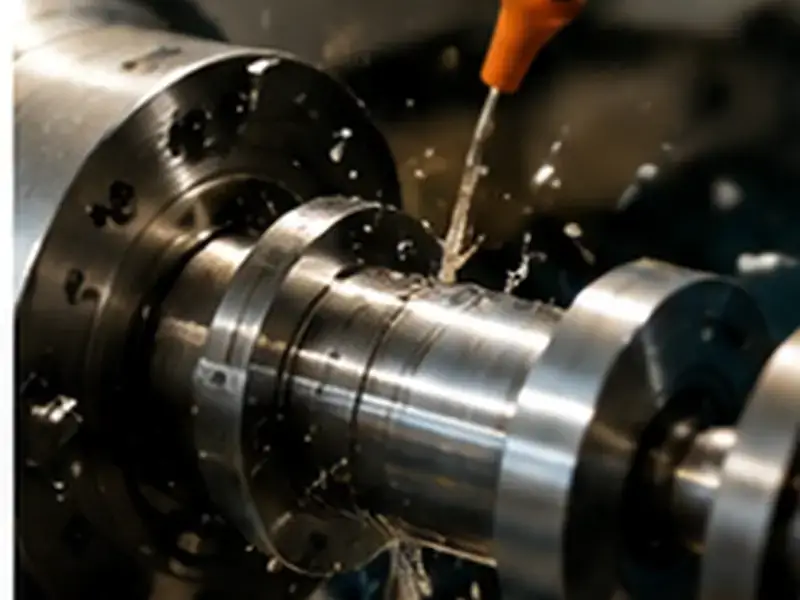
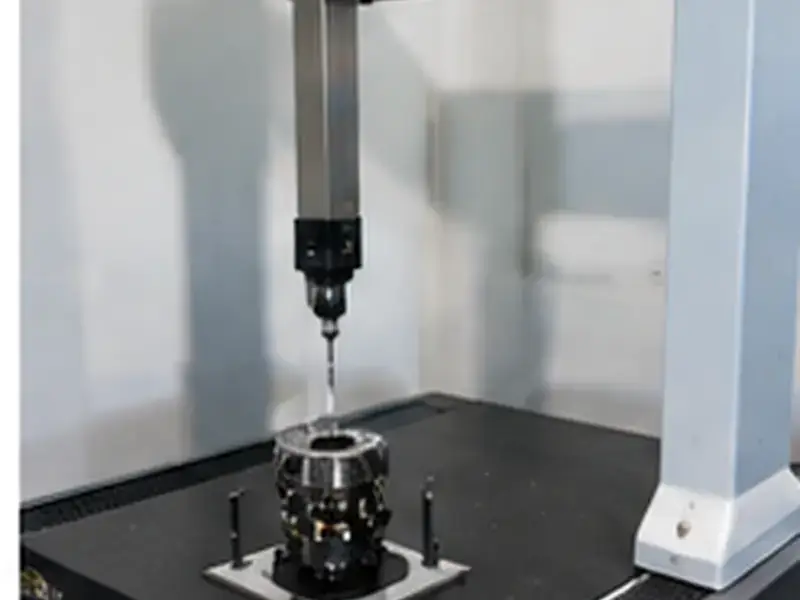
Project-specific material, treatment, inspection-document or certificate requirements should be included in the quotation request when they are required.
Engineering Resources
Selection, bore and brake-wheel guidance
Engineering Guide
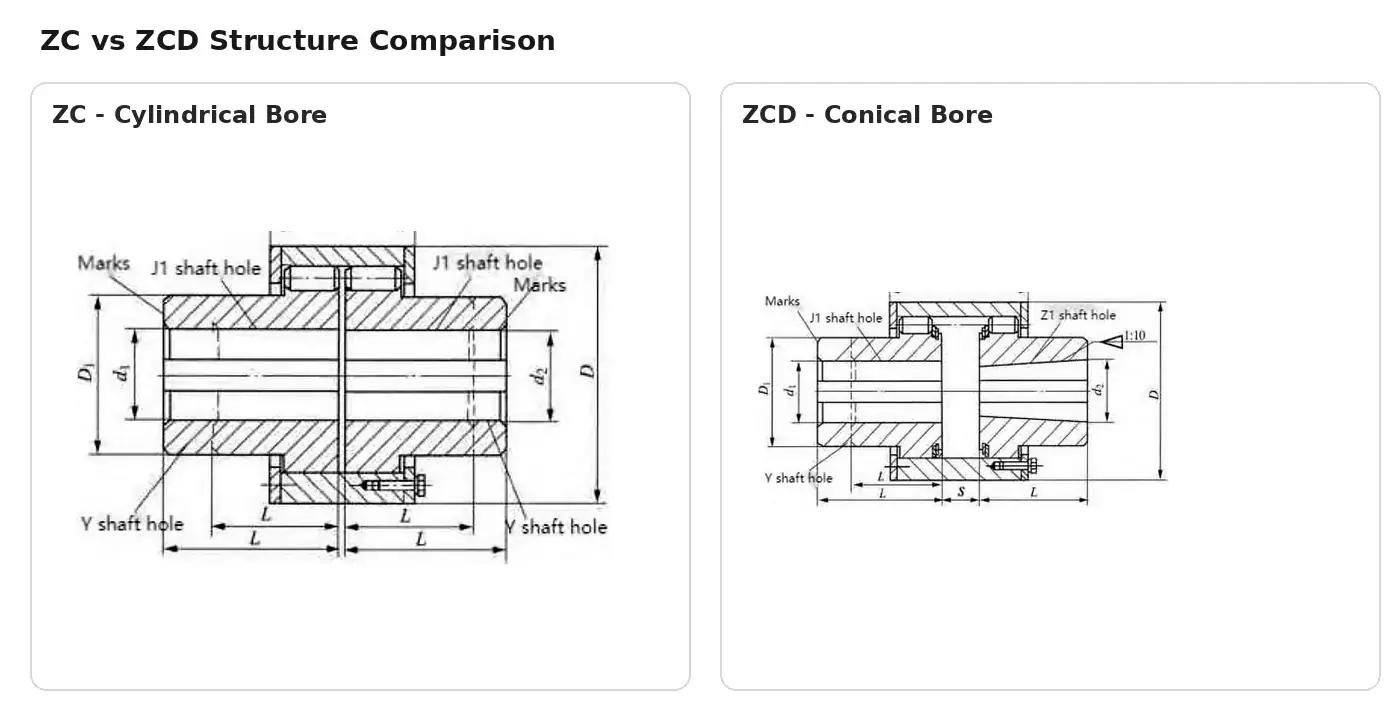
Conical Bore vs Cylindrical Bore Couplings
Conical Bore vs Cylindrical Bore Couplings addresses the interface differences between cylindrical and conical shaft holes, with ZC and ZCD used as the published…
Engineering Guide
HC vs TC vs ZC Pin Couplings
HC vs TC vs ZC Pin Couplings addresses structural differences between a standard elastic pin coupling, an elastic sleeve pin coupling and an elastic…
Engineering Guide
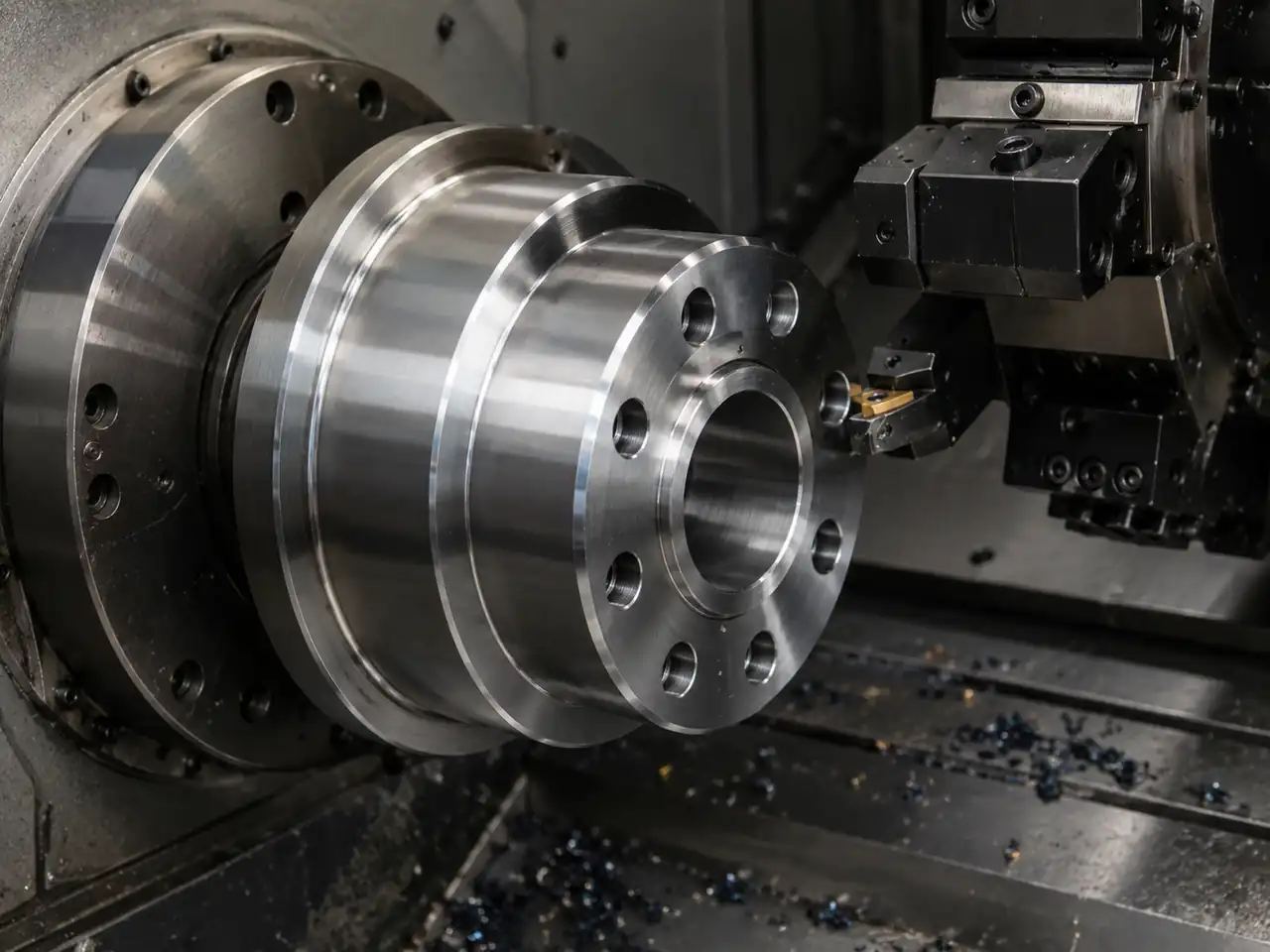
How to Select a Brake Wheel Pin Coupling
How to Select a Brake Wheel Pin Coupling addresses how to choose among HCL, TCL and ZCL while coordinating torque, speed, shaft bores, brake-wheel…
Engineering Guide
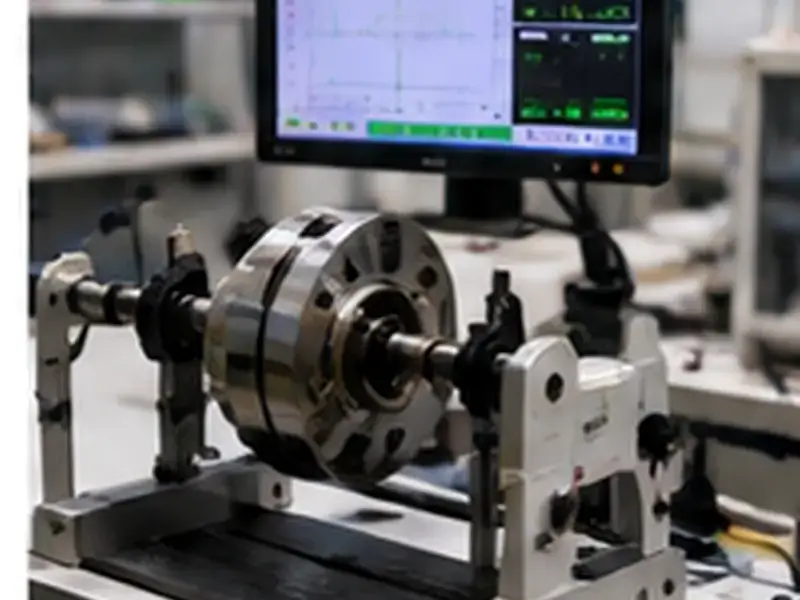
How to Select a Pin Coupling
How to Select a Pin Coupling addresses a complete selection sequence from duty definition through torque, speed, shaft interface and maintenance access. The objective…
Engineering Guide
Pin Coupling Bore and Shaft-Hole Selection
Pin Coupling Bore and Shaft-Hole Selection addresses how shaft diameter, shaft-hole length, key or taper geometry and available hub space define a workable coupling…

Engineering Guide
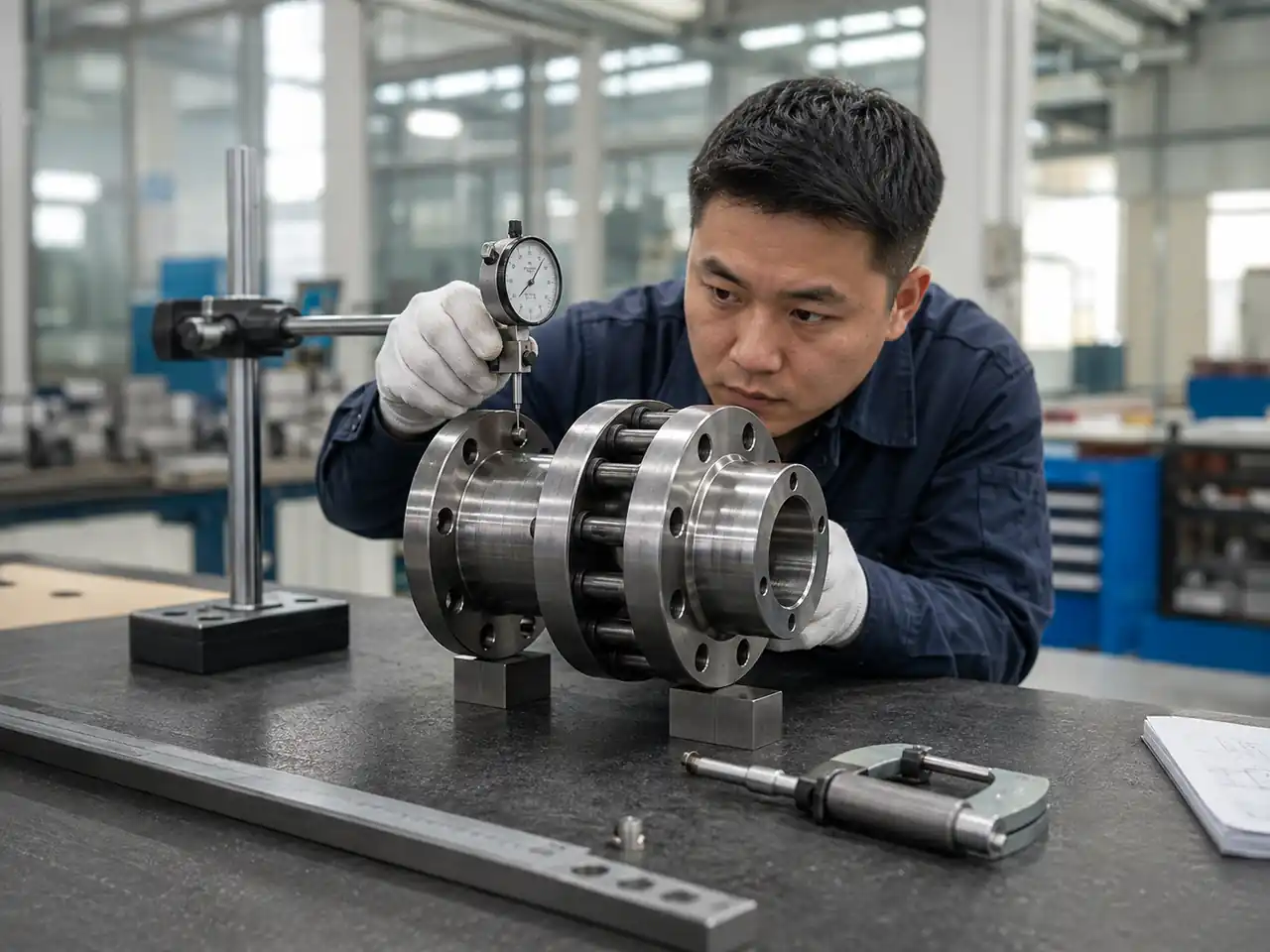
Pin Coupling Speed Selection Guide
Pin Coupling Speed Selection Guide addresses how allowable rotational speed interacts with coupling size, shaft interface, alignment and inspection requirements. The objective is to…
Engineering Guide
Pin Coupling Torque Selection Guide
Pin Coupling Torque Selection Guide addresses how nominal torque, start-up duty, operating pattern and published series limits should be checked before model selection. The…
Technical Articles
Latest coupling guides
Guide
Pin Coupling RFQ Checklist: Data to Send for Selection
Pin Coupling RFQ Checklist: Data to Send for Selection focuses on the minimum technical information needed to turn an enquiry…
Read guide →Guide
Heavy-Duty Pin Coupling Selection Considerations
Heavy-Duty Pin Coupling Selection Considerations addresses a common selection and engineering question: how torque range, shaft interface, service access and…
Read guide →Guide
High-Speed Pin Coupling Selection Considerations
The practical purpose of this guide is to make high speed pin coupling reviewable. It explains how allowable speed, size,…
Read guide →Guide
Motor-to-Gearbox Pin Coupling Selection
Motor-to-Gearbox Pin Coupling Selection is best treated as an interface-and-duty problem. The subject is how to match motor shaft, gearbox…
Read guide →Guide
Pin Coupling Selection for Pumps and Fans
Engineers searching for pin coupling for pumps and fans usually need a decision framework more than a generic product description.…
Read guide →Guide
Pin Coupling Selection for Steel and Metallurgical Drives
Pin Coupling Selection for Steel and Metallurgical Drives focuses on how heavy rotating equipment and repeated duty cycles change the…
Read guide →